Ancient Origins: Mesopotamia and Egypt
Astrology's roots are firmly planted in the fertile crescent of Mesopotamia. As early as the 2nd millennium BCE, Babylonian priest-scholars observed the heavens not merely for timekeeping, but as a divine script. They painstakingly recorded celestial omens on clay tablets, believing that the movement of planets correlated with the destiny of kings and the prosperity of the state.
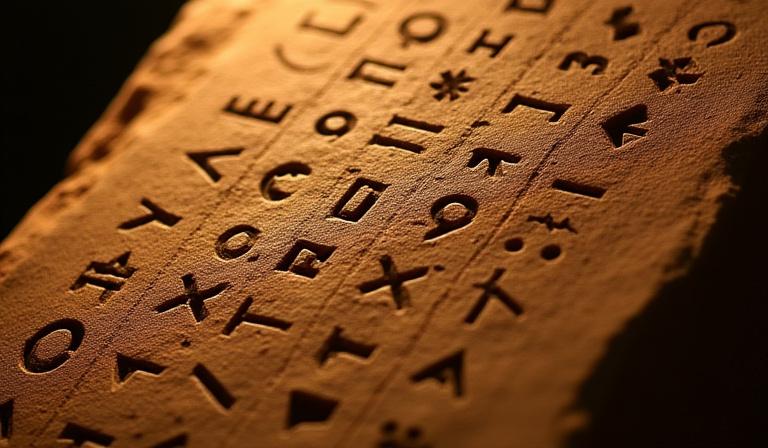
In Ancient Egypt, the focus shifted toward the cyclical nature of the cosmos. The alignment of the stars with the flooding of the Nile emphasized the practical applications of celestial observation. By the Hellenistic period, these two traditions merged in Alexandria, giving birth to what we now recognize as horoscopic astrology—the study of the specific positions of planets at a single moment in time.
The Medieval Synthesis: Medicine and Agriculture
During the Middle Ages, astrology was an essential component of the liberal arts. It was rarely viewed as a superstitious fringe but rather as a framework for understanding the "macrocosm" and its influence on the "microcosm" of the human body. Medieval physicians utilized astrological cycles to determine the optimal timing for medical procedures, a practice known as iatromathematics.
Farmers likewise looked to the moon's phases and the sun's position within the zodiac for agricultural planning, ensuring that planting and harvesting aligned with the natural rhythms of the earth and sky.
The Age of Enlightenment and the Great Divergence
The 17th and 18th centuries marked a pivotal turning point. As the scientific method gained prominence, the long-standing union between astronomy (the measurement of stars) and astrology (the interpretation of stars) began to fracture. Figures like Johannes Kepler, while contributing monumentally to physics, were among the last Great Minds to professionally practice both disciplines.
The Enlightenment relegated astrology to a cultural and historical curiosity in the academic world, yet it remained a resilient part of social and literary history, evolving into the psychological and cultural framework we study today.
Educational Note: Starguidelab provides this information for historical and cultural context. We do not provide predictive services or personal readings.